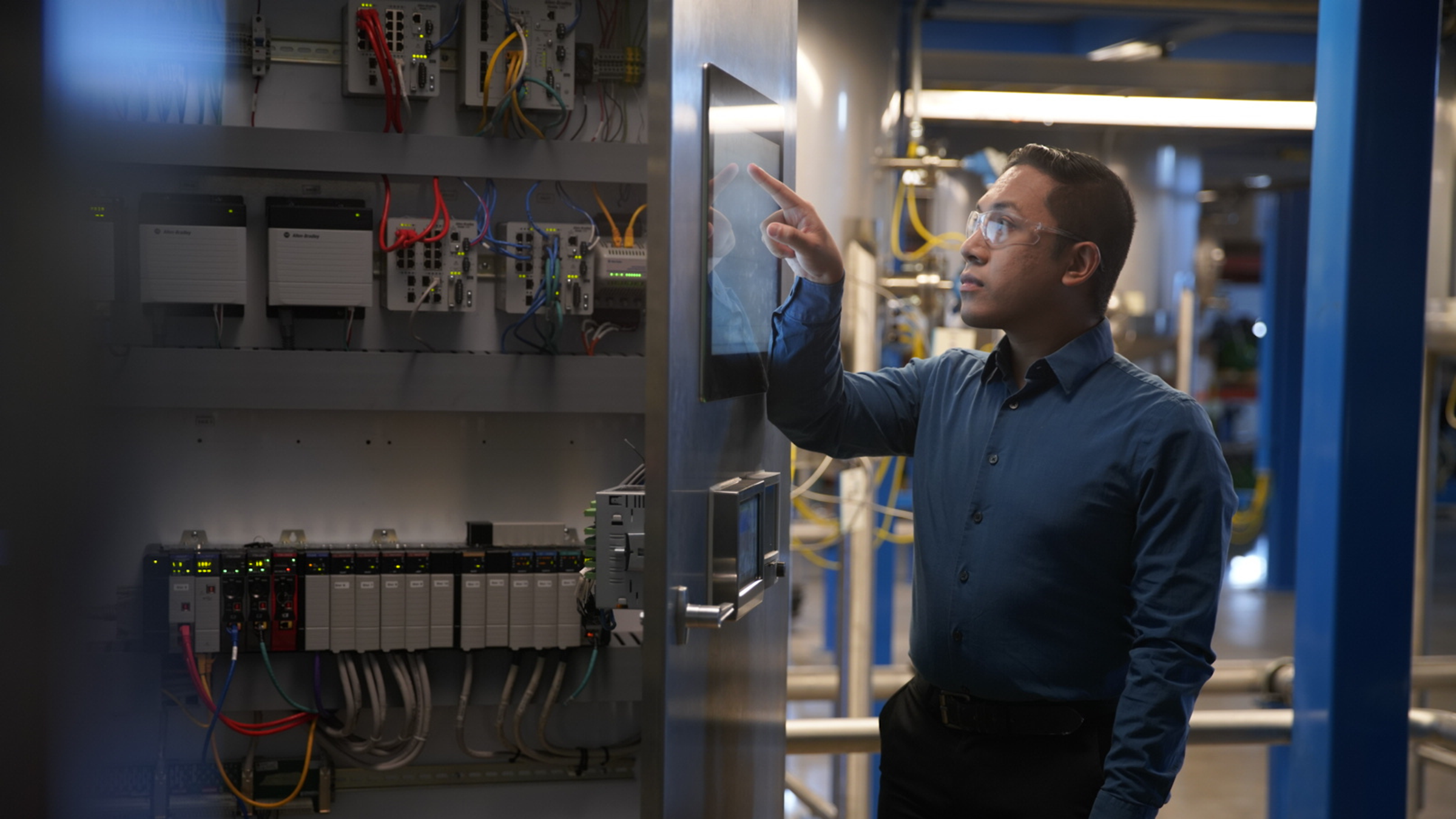
Manufacturers generate vast amounts of data every day across their operations, from production lines, shopfloor equipment and quality inspections to supply chain operations and maintenance records. The challenge isn't collecting data; it's turning that information into actionable insights quickly enough to improve and optimize performance. That's where AI powered analytics is transforming how manufacturers operate.
By combining artificial intelligence with advanced data analytics, manufacturers can uncover patterns, predict future outcomes, automate reporting and make faster, more informed decisions. Whether optimizing production schedules, reducing downtime or improving product quality, AI-powered analytics for manufacturing helps organizations move beyond traditional reporting toward more proactive, data-driven operations.
What Is AI for Data Analytics?
AI powered analytics refers to the use of artificial intelligence technologies—including machine learning, natural language processing and predictive models—to automatically analyze large volumes of business and operational data. Unlike traditional analytics, which often relies on predefined reports and manual interpretation, AI continuously learns from new information to identify trends, detect anomalies, generate forecasts and recommend next best actions.
Embedding AI in manufacturing analytics brings together data from machines, production lines, quality systems, ERP platforms, supply chain operations and Internet of Things (IoT) devices to provide a complete view of operations. This enables organizations to move from reactive decision-making to predictive and even prescriptive analytics, helping teams anticipate issues before they impact production.
How AI for Analytics Works
AI for analytics transforms raw manufacturing data into meaningful insights by combining advanced technologies such as machine learning, predictive analytics and natural language processing. Rather than relying solely on historical reports, AI continuously analyzes data from across the manufacturing environment to identify trends, forecast outcomes and recommend actions that improve performance.
Collect and unify data
The process begins by gathering data from across the manufacturing ecosystem, including MES, ERP, quality management systems, supply chain applications, Industrial IoT devices and production equipment. Bringing these data sources together creates a complete, real-time view of operations and provides the foundation for effective AI analysis.
The more manufacturers connect and contextualize data across their operational systems, the more value they can unlock. A unified data foundation provides greater visibility into performance, helping teams anticipate issues, optimize processes, make better decisions, and continuously improve operations.
Analyze patterns and trends
AI algorithms process both historical and real time operational data to uncover patterns that may not be visible through traditional reporting. These insights can highlight inefficiencies, detect anomalies and identify opportunities to improve production performance.
Generate predictive insights
One of the greatest advantages of leveraging AI for predictive analytics is the ability to forecast future outcomes and predict anomalies. By recognizing trends in equipment performance, production data or customer demand, AI can predict maintenance needs, quality issues, inventory requirements and prevent production bottlenecks before they disrupt operations.
Recommend actions and continuously improve
Modern AI platforms go beyond simply presenting insights—they can recommend the next best action based on current conditions. As additional data becomes available, machine learning models continually refine their predictions, making analytics more accurate over time and helping manufacturers make increasingly informed decisions.
Benefits of AI-Powered Analytics for Manufacturing
Implementing AI-powered analytics for manufacturing enables organizations to make faster, smarter decisions while improving efficiency across every stage of production. By turning operational data into actionable intelligence, manufacturers can move from reacting to problems to helping prevent them. Key benefits include:
- Improve decision-making with real-time operational insights.
- Predict equipment failures before they disrupt production.
- Reduce unplanned downtime through predictive maintenance.
- Increase production efficiency by identifying process bottlenecks.
- Improve product quality by detecting trends that lead to anomalies.
- Optimize inventory levels and Supply Chain Planning with more accurate forecasting.
- Reduce manual reporting through automated data analysis.
- Identify hidden patterns and anomalies across large volumes of manufacturing data.
- Enable continuous improvement through data-driven performance monitoring.
- Increase profitability by reducing waste, improving productivity, and maximizing asset utilization.
As AI models continue to learn from new operational data, the value of AI for analytics in manufacturing grows over time, enabling organizations to continuously improve their processes and respond more effectively to changing business conditions.

Common Challenges When Implementing AI for Analytics
While the benefits of AI are significant, successful implementation requires more than simply deploying new technology. Manufacturers must establish a strong data foundation and address several common challenges before realizing the full value of AI-driven analytics. Challenges can include:
- Data Silos: Manufacturing data is often spread across multiple systems, making it difficult to gain a complete picture of operations. Connecting production, quality, maintenance and business data is essential for generating accurate AI insights.
- Data Quality: AI models rely on accurate, consistent and contextualized data. Incomplete, outdated or inconsistent information can reduce prediction accuracy and limit the effectiveness of analytics initiatives.
- Legacy infrastructure: Many manufacturers continue to operate older equipment and software that were not designed to support modern AI applications. Integrating legacy systems with cloud-based analytics platforms can require careful planning and investment.
- Skills and adoption: Successfully adopting AI requires both technical expertise and organizational buy-in. Employees need confidence in AI-generated insights, along with training to understand how those recommendations support better decision-making.
- Security and governance: As manufacturers connect more operational data, maintaining strong governance, cybersecurity and regulatory compliance becomes increasingly important. Organizations should ensure that AI initiatives align with existing security policies while protecting sensitive operational information.
By addressing these challenges with a connected digital manufacturing platform, organizations can create the reliable data environment needed for successful AI adoption.
AI Use Cases in Manufacturing Analytics
Manufacturers are applying AI across nearly every area of their operations to improve efficiency, reduce costs and make better decisions. Some of the most impactful use cases include:
Predictive maintenance
AI continuously monitors equipment performance to identify signs of wear or potential failure. Maintenance teams can schedule repairs before unexpected breakdowns occur, minimizing costly downtime and extending equipment life.
Production performance optimization
By analyzing production data in real time, AI identifies bottlenecks, cycle time variations and process inefficiencies. Manufacturers can optimize workflows to improve throughput while maintaining product quality.
AI for predictive analytics
AI helps manufacturers forecast future demand, inventory requirements, scheduling and production capacity using historical and live operational data. More accurate predictions enable organizations to allocate resources more effectively and respond proactively to changing market conditions.
Quality management
AI detects patterns associated with anomalies, process variation and quality issues that may otherwise go unnoticed. Manufacturers can address root causes earlier, reducing scrap, rework and warranty costs while improving customer satisfaction.
Supply chain optimization
AI analyzes supplier performance, inventory trends, transportation data and customer demand to improve planning and reduce supply chain disruptions. Better visibility supports more resilient operations and helps maintain optimal inventory levels.
Sustainability and energy management
Manufacturers can use AI to monitor energy consumption, identify inefficient equipment and uncover opportunities to reduce waste and emissions. These insights support both operational efficiency and broader sustainability initiatives.
Why Manufacturers Need a Unified Data Foundation for AI
Artificial intelligence is only as effective as the data it analyzes. When manufacturing information is fragmented across disconnected systems, AI models lack the complete context needed to generate reliable insights and accurate predictions.
A unified data foundation connects production, quality, maintenance, supply chain and business information into a single, trusted source. With consistent, real-time data, manufacturers can apply AI more effectively across their operations, improving visibility, accelerating decision-making and enabling continuous improvement. Connecting these systems also gives manufacturers greater control over their operations. As more relevant data becomes accessible and contextualized, AI-powered analytics can develop a more complete view of performance, uncover relationships across processes, and identify opportunities that might remain hidden within isolated systems.
Establishing this connected data environment not only strengthens current analytics initiatives but also prepares organizations to adopt more advanced AI capabilities as their digital transformation evolves.
Accelerate AI-Powered Manufacturing Analytics with Plex
Successfully implementing AI requires more than just advanced algorithms. It requires timely, accurate manufacturing data. Plex provides manufacturers with a connected platform that brings together production, quality, inventory, maintenance and operational information, creating a trusted foundation for AI-powered decision-making.
With real-time visibility across manufacturing operations, Plex helps organizations move beyond static reports to actionable insights that improve efficiency, quality and productivity. By centralizing operational data and providing powerful analytics capabilities, manufacturers are better positioned to leverage AI for predictive analytics, identify continuous improvement opportunities and make more informed business decisions.
Whether you're beginning your AI journey or expanding existing analytics initiatives, Plex provides the digital foundation needed to transform manufacturing data into measurable business value.
Frequently Asked Questions
Featured Resources